 (2)
(2)


| Product: | Rictor Antibody |
| Catalog: | AF2697 |
| Description: | Rabbit polyclonal antibody to Rictor |
| Application: | WB |
| Cited expt.: | WB |
| Reactivity: | Human, Mouse, Rat, Monkey |
| Prediction: | Pig, Bovine, Horse, Sheep, Rabbit, Dog |
| Mol.Wt.: | 200kDa(Observed); 192kD(Calculated). |
| Uniprot: | Q6R327 |
| RRID: | AB_2847770 |
Control Products
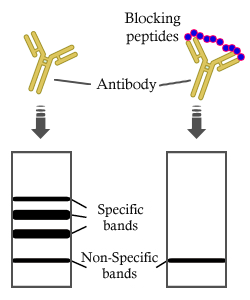
Related Downloads
Protocols
Product Info
*The optimal dilutions should be determined by the end user. For optimal experimental results, antibody reuse is not recommended.
*Tips:
WB: For western blot detection of denatured protein samples. IHC: For immunohistochemical detection of paraffin sections (IHC-p) or frozen sections (IHC-f) of tissue samples. IF/ICC: For immunofluorescence detection of cell samples. ELISA(peptide): For ELISA detection of antigenic peptide.
Cite Format: Affinity Biosciences Cat# AF2697, RRID:AB_2847770.
Fold/Unfold
AVO3; AVO3 homolog; DKFZp686B11164; hAVO3; KIAA1999; Likely ortholog of mouse TORC2 specific protein AVO3 (S. cerevisiae); mAVO3; MGC39830; PIA; Pianissimo; Rapamycin insensitive companion of mTOR; Rapamycin-insensitive companion of mTOR; Rictor; RICTR; RICTR_HUMAN; RPTOR independent companion of MTOR complex 2; TORC2 specific protein AVO3;
Immunogens
A synthesized peptide derived from human Rictor.
- Q6R327 RICTR_HUMAN:
- Protein BLAST With
- NCBI/
- ExPASy/
- Uniprot
MAAIGRGRSLKNLRVRGRNDSGEENVPLDLTREPSDNLREILQNVARLQGVSNMRKLGHLNNFTKLLCDIGHSEEKLGFHYEDIIICLRLALLNEAKEVRAAGLRALRYLIQDSSILQKVLKLKVDYLIARCIDIQQSNEVERTQALRLVRKMITVNASLFPSSVTNSLIAVGNDGLQERDRMVRACIAIICELALQNPEVVALRGGLNTILKNVIDCQLSRINEALITTILHLLNHPKTRQYVRADVELERILAPYTDFHYRHSPDTAEGQLKEDREARFLASKMGIIATFRSWAGIINLCKPGNSGIQSLIGVLCIPNMEIRRGLLEVLYDIFRLPLPVVTEEFIEALLSVDPGRFQDSWRLSDGFVAAEAKTILPHRARSRPDLMDNYLALILSAFIRNGLLEGLVEVITNSDDHISVRATILLGELLHMANTILPHSHSHHLHCLPTLMNMAASFDIPKEKRLRASAALNCLKRFHEMKKRGPKPYSLHLDHIIQKAIATHQKRDQYLRVQKDIFILKDTEEALLINLRDSQVLQHKENLEWNWNLIGTILKWPNVNLRNYKDEQLHRFVRRLLYFYKPSSKLYANLDLDFAKAKQLTVVGCQFTEFLLESEEDGQGYLEDLVKDIVQWLNASSGMKPERSLQNNGLLTTLSQHYFLFIGTLSCHPHGVKMLEKCSVFQCLLNLCSLKNQDHLLKLTVSSLDYSRDGLARVILSKILTAATDACRLYATKHLRVLLRANVEFFNNWGIELLVTQLHDKNKTISSEALDILDEACEDKANLHALIQMKPALSHLGDKGLLLLLRFLSIPKGFSYLNERGYVAKQLEKWHREYNSKYVDLIEEQLNEALTTYRKPVDGDNYVRRSNQRLQRPHVYLPIHLYGQLVHHKTGCHLLEVQNIITELCRNVRTPDLDKWEEIKKLKASLWALGNIGSSNWGLNLLQEENVIPDILKLAKQCEVLSIRGTCVYVLGLIAKTKQGCDILKCHNWDAVRHSRKHLWPVVPDDVEQLCNELSSIPSTLSLNSESTSSRHNSESESVPSSMFILEDDRFGSSSTSTFFLDINEDTEPTFYDRSGPIKDKNSFPFFASSKLVKNRILNSLTLPNKKHRSSSDPKGGKLSSESKTSNRRIRTLTEPSVDFNHSDDFTPISTVQKTLQLETSFMGNKHIEDTGSTPSIGENDLKFTKNFGTENHRENTSRERLVVESSTSSHMKIRSQSFNTDTTTSGISSMSSSPSRETVGVDATTMDTDCGSMSTVVSTKTIKTSHYLTPQSNHLSLSKSNSVSLVPPGSSHTLPRRAQSLKAPSIATIKSLADCNFSYTSSRDAFGYATLKRLQQQRMHPSLSHSEALASPAKDVLFTDTITMKANSFESRLTPSRFMKALSYASLDKEDLLSPINQNTLQRSSSVRSMVSSATYGGSDDYIGLALPVDINDIFQVKDIPYFQTKNIPPHDDRGARAFAHDAGGLPSGTGGLVKNSFHLLRQQMSLTEIMNSIHSDASLFLESTEDTGLQEHTDDNCLYCVCIEILGFQPSNQLSAICSHSDFQDIPYSDWCEQTIHNPLEVVPSKFSGISGCSDGVSQEGSASSTKSTELLLGVKTIPDDTPMCRILLRKEVLRLVINLSSSVSTKCHETGLLTIKEKYPQTFDDICLYSEVSHLLSHCTFRLPCRRFIQELFQDVQFLQMHEEAEAVLATPPKQPIVDTSAES
Research Backgrounds
Subunit of mTORC2, which regulates cell growth and survival in response to hormonal signals. mTORC2 is activated by growth factors, but, in contrast to mTORC1, seems to be nutrient-insensitive. mTORC2 seems to function upstream of Rho GTPases to regulate the actin cytoskeleton, probably by activating one or more Rho-type guanine nucleotide exchange factors. mTORC2 promotes the serum-induced formation of stress-fibers or F-actin. mTORC2 plays a critical role in AKT1 'Ser-473' phosphorylation, which may facilitate the phosphorylation of the activation loop of AKT1 on 'Thr-308' by PDK1 which is a prerequisite for full activation. mTORC2 regulates the phosphorylation of SGK1 at 'Ser-422'. mTORC2 also modulates the phosphorylation of PRKCA on 'Ser-657'. Plays an essential role in embryonic growth and development.
Phosphorylated by MTOR; when part of mTORC2. Phosphorylated at Thr-1135 by RPS6KB1; phosphorylation of RICTOR inhibits mTORC2 and AKT1 signaling.
Belongs to the RICTOR family.
Research Fields
· Environmental Information Processing > Signal transduction > mTOR signaling pathway. (View pathway)
References

Application: WB Species: Rat Sample:
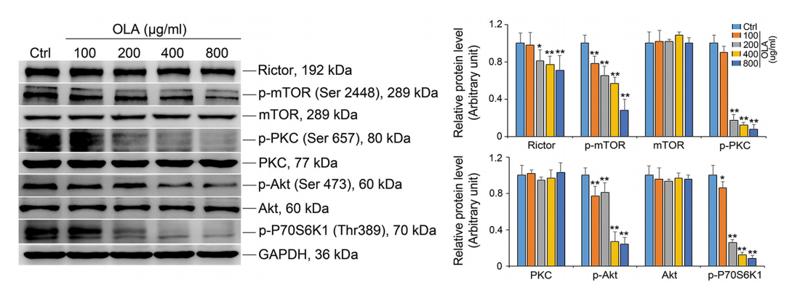
Application: WB Species: mouse Sample: Sertoli cells
Restrictive clause
Affinity Biosciences tests all products strictly. Citations are provided as a resource for additional applications that have not been validated by Affinity Biosciences. Please choose the appropriate format for each application and consult Materials and Methods sections for additional details about the use of any product in these publications.
For Research Use Only.
Not for use in diagnostic or therapeutic procedures. Not for resale. Not for distribution without written consent. Affinity Biosciences will not be held responsible for patent infringement or other violations that may occur with the use of our products. Affinity Biosciences, Affinity Biosciences Logo and all other trademarks are the property of Affinity Biosciences LTD.