Product: DDIT3/CHOP Antibody
Catalog: AF6277
Description: Rabbit polyclonal antibody to DDIT3/CHOP
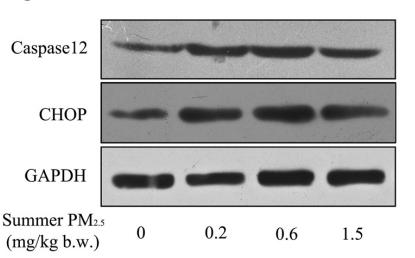
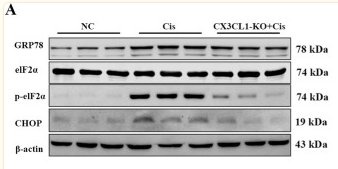
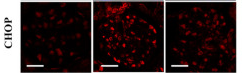
Application: WB IHC IF/ICC
Cited expt.: WB, IHC, IF/ICC
Reactivity: Human, Mouse
Prediction: Pig, Bovine, Horse, Sheep, Rabbit, Dog
Mol.Wt.: 19~30kD; 19kD(Calculated).
Uniprot: P35638
RRID: AB_2835130

View similar products>>

   Size Price Inventory
 100ul $280 In stock
 200ul $350 In stock

Lead Time: Same day delivery

For pricing and ordering contact:
Local distributors

Product Info

Source:
Rabbit
Application:
WB 1:500-1:2000, IHC 1:50-1:200, IF/ICC 1:100-1:500
*The optimal dilutions should be determined by the end user. For optimal experimental results, antibody reuse is not recommended.
*Tips:

WB: For western blot detection of denatured protein samples. IHC: For immunohistochemical detection of paraffin sections (IHC-p) or frozen sections (IHC-f) of tissue samples. IF/ICC: For immunofluorescence detection of cell samples. ELISA(peptide): For ELISA detection of antigenic peptide.

Reactivity:
Human,Mouse
Prediction:
Pig(100%), Bovine(100%), Horse(89%), Sheep(100%), Rabbit(100%), Dog(100%)
Clonality:
Polyclonal
Specificity:
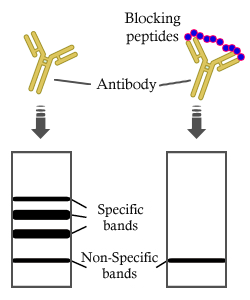
DDIT3 Antibody detects endogenous levels of total DDIT3.
RRID:
AB_2835130
Cite Format: Affinity Biosciences Cat# AF6277, RRID:AB_2835130.
Conjugate:
Unconjugated.
Purification:
The antiserum was purified by peptide affinity chromatography using SulfoLink™ Coupling Resin (Thermo Fisher Scientific).
Storage:
Rabbit IgG in phosphate buffered saline , pH 7.4, 150mM NaCl, 0.02% sodium azide and 50% glycerol. Store at -20 °C. Stable for 12 months from date of receipt.
Alias:

Fold/Unfold

C/EBP homologous protein; C/EBP Homology Protein; C/EBP zeta; C/EBP-homologous protein 10; C/EBP-homologous protein; CCAAT/enhancer binding protein homologous protein; CEBPZ; CHOP 10; CHOP; CHOP-10; CHOP10; DDIT 3; DDIT-3; Ddit3; DDIT3_HUMAN; DNA Damage Inducible Transcript 3; DNA damage-inducible transcript 3 protein; GADD 153; GADD153; Growth Arrest and DNA Damage Inducible Protein 153; Growth arrest and DNA damage inducible protein GADD153; Growth arrest and DNA damage-inducible protein GADD153; MGC4154;

Immunogens

Immunogen:

A synthesized peptide derived from human DDIT3, corresponding to a region within N-terminal amino acids.

Uniprot:
Gene(ID):
Description:
CHOP a transcriptional-regulatory protein of the bZIP family. Inhibits the DNA-binding activity of C/EBP and LAP by forming heterodimers that cannot bind DNA. May play an important role in melanoma progression. CK2-mediated phosphorylation inhibits its transcriptional activity.
Sequence:
MAAESLPFSFGTLSSWELEAWYEDLQEVLSSDENGGTYVSPPGNEEEESKIFTTLDPASLAWLTEEEPEPAEVTSTSQSPHSPDSSQSSLAQEEEEEDQGRTRKRKQSGHSPARAGKQRMKEKEQENERKVAQLAEENERLKQEIERLTREVEATRRALIDRMVNLHQA

Predictions

Predictions:

Score>80(red) has high confidence and is suggested to be used for WB detection. *The prediction model is mainly based on the alignment of immunogen sequences, the results are for reference only, not as the basis of quality assurance.

Species
Results
Score
Pig
100
Bovine
100
Sheep
100
Dog
100
Rabbit
100
Horse
89
Xenopus
0
Zebrafish
0
Chicken
0
Model Confidence:
High(score>80) Medium(80>score>50) Low(score<50) No confidence

Research Backgrounds

Function:

Multifunctional transcription factor in ER stress response. Plays an essential role in the response to a wide variety of cell stresses and induces cell cycle arrest and apoptosis in response to ER stress. Plays a dual role both as an inhibitor of CCAAT/enhancer-binding protein (C/EBP) function and as an activator of other genes. Acts as a dominant-negative regulator of C/EBP-induced transcription: dimerizes with members of the C/EBP family, impairs their association with C/EBP binding sites in the promoter regions, and inhibits the expression of C/EBP regulated genes. Positively regulates the transcription of TRIB3, IL6, IL8, IL23, TNFRSF10B/DR5, PPP1R15A/GADD34, BBC3/PUMA, BCL2L11/BIM and ERO1L. Negatively regulates; expression of BCL2 and MYOD1, ATF4-dependent transcriptional activation of asparagine synthetase (ASNS), CEBPA-dependent transcriptional activation of hepcidin (HAMP) and CEBPB-mediated expression of peroxisome proliferator-activated receptor gamma (PPARG). Inhibits the canonical Wnt signaling pathway by binding to TCF7L2/TCF4, impairing its DNA-binding properties and repressing its transcriptional activity. Plays a regulatory role in the inflammatory response through the induction of caspase-11 (CASP4/CASP11) which induces the activation of caspase-1 (CASP1) and both these caspases increase the activation of pro-IL1B to mature IL1B which is involved in the inflammatory response.

PTMs:

Ubiquitinated, leading to its degradation by the proteasome.

Phosphorylation at serine residues by MAPK14 enhances its transcriptional activation activity while phosphorylation at serine residues by CK2 inhibits its transcriptional activation activity.

Subcellular Location:

Cytoplasm. Nucleus.
Note: Present in the cytoplasm under non-stressed conditions and ER stress leads to its nuclear accumulation.

Extracellular region or secreted Cytosol Plasma membrane Cytoskeleton Lysosome Endosome Peroxisome ER Golgi apparatus Nucleus Mitochondrion Manual annotation Automatic computational assertionSubcellular location
Family&Domains:

The N-terminal region is necessary for its proteasomal degradation, transcriptional activity and interaction with EP300/P300.

Belongs to the bZIP family.

Research Fields

· Cellular Processes > Cell growth and death > Apoptosis.   (View pathway)

· Environmental Information Processing > Signal transduction > MAPK signaling pathway.   (View pathway)

· Genetic Information Processing > Folding, sorting and degradation > Protein processing in endoplasmic reticulum.   (View pathway)

· Human Diseases > Endocrine and metabolic diseases > Non-alcoholic fatty liver disease (NAFLD).

· Human Diseases > Cancers: Overview > Transcriptional misregulation in cancer.

References
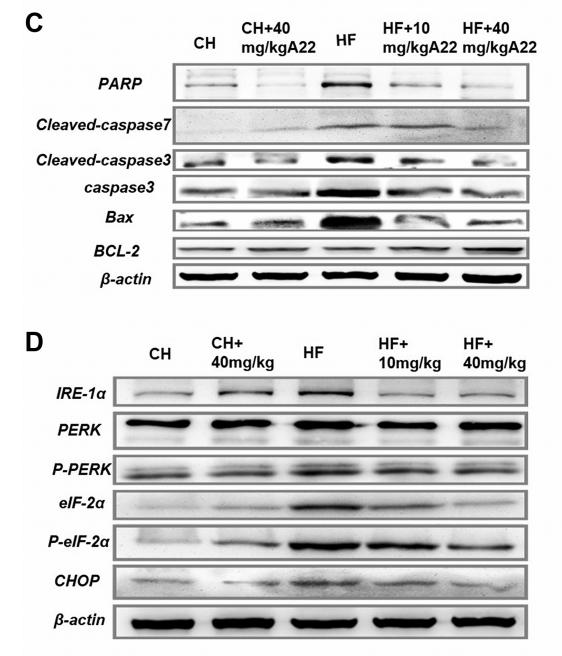
1). Upregulation of BCL-2 by acridone derivative through gene promoter i-motif for alleviating liver damage of NAFLD/NASH. NUCLEIC ACIDS RESEARCH, 2020 (PubMed: 32710621) [IF=16.6]

Application: WB    Species: mouse    Sample: liver
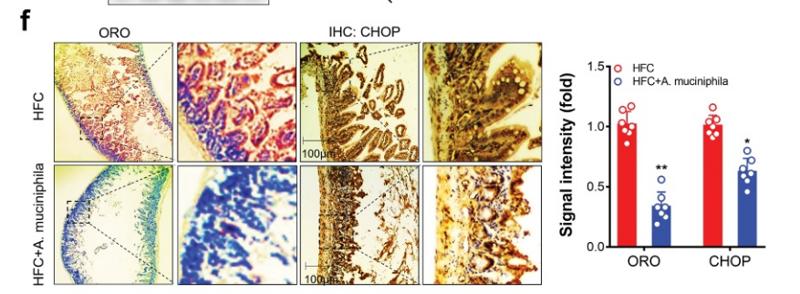
Figure 7. Effect of A22 on ameliorating apoptosis, ER stress, inflammation, metabolic syndrome, and fibrogenesis in HF diet-fed mice. (A) Effect of A22 on BCL-2 gene transcription. (B) Effect of A22 on BAX gene transcription. (C) Effect of A22 on expressions of apoptosis-related proteins in liver. The extracted proteins from the liver were immunoblotted with specific antibodies, and quantified based on the loading control of ACTIN. (D) Effect of A22 on ER stress. The UPR proteins (IRE-1, PERK, elF-2 and CHOP) were analyzed by using western Blot. (E) Effect of A22 on expressions of inflammatory factors. (F) Effect of A22 on expressions of fibrogenic proteins.

2). Blood Brain Barrier-Crossing Delivery of Felodipine Nanodrug Ameliorates Anxiety-Like Behavior and Cognitive Impairment in Alzheimer's Disease. Advanced science (Weinheim, Baden-Wurttemberg, Germany), 2024 (PubMed: 38981028) [IF=15.1]

3). Human DBR1 deficiency impairs stress granule-dependent PKR antiviral immunity. The Journal of experimental medicine, 2025 (PubMed: 39636299) [IF=12.6]

4). Gut Akkermansia muciniphila ameliorates metabolic dysfunction-associated fatty liver disease by regulating the metabolism of L-aspartate via gut-liver axis. Gut Microbes, 2021 (PubMed: 34030573) [IF=12.2]

Application: IHC    Species: Mice    Sample: ileum
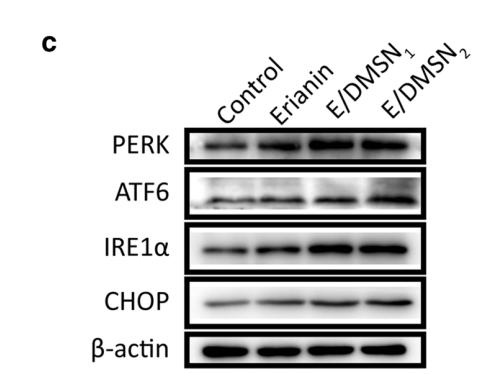
Figure 2. A. muciniphila increased markers related to lipid metabolism in liver and gut of HFC mice. HFC induced obese MAFLD (11 weeks of feeding) were administered with saline as the control or A. muciniphila (6 weeks of treatment) to assess liver and ileum parameters: a-c for parameters in the liver and d-f for parameters in the ileum. e-g, representative images of the ileum (Scale bar, for 100 µm). (a) Hepatic mitochondrial copy number determination. (b) Gene expression related to lipid uptake and oxidation in the liver of mice. (c) Protein levels of metabolic regulators mitochondrial complexes, and the LKB1-AMPK axis in the liver of mice. The protein levels were quantified and normalized to the loading control actin (d) Gene expression of lipid uptake and oxidation in the ileum of mice. The gene level or protein level in the HFC group was set as 1, and the relative fold increases were determined by comparison with the HFC control group. (e) Immunohistochemistry analysis of PGC-1α in the ileum of mice. The brown dot indicates the examined protein. Representative images were captured. Scale bar, 100 µm. (f) TG level quantification (indicated by oil red O staining) and oxidative stress-induced cell apoptosis determination (indicated by CHOP examination) in the ileum. Representative images were captured. Scale bar, 100 µm. (g) Immunohistochemistry analysis of E-cadherin and H

5). Development of erianin-loaded dendritic mesoporous silica nanospheres with pro-apoptotic effects and enhanced topical delivery. JOURNAL OF NANOBIOTECHNOLOGY, 2020 (PubMed: 32228604) [IF=10.2]

Application: WB    Species: Human    Sample: HaCaT cells
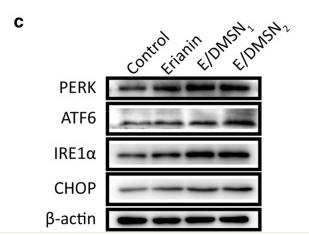
Fig. 5 Efect of erianin and E/DMSNs on cytosolic calcium levels and ERS signaling pathway. a Flow cytometry analysis of cytosolic calcium levels in HaCaT cells after treatment with erianin and E/DMSNs for 24 h. b Relative MFI of control in (a) analyzed by fow cytometry. c The expressions of PERK, ATF6, IRE1α, and CHOP proteins after treatment with erianin and E/DMSNs for 24 h. d Quantitation of PERK, ATF6, IRE1α, and CHOP proteins normalized to β-actin in (c) by using Image J software. Values are represented as means±SD (n=3). *p<0.05, **p<0.01, ***p<0.005, ****p<0.001, signifcantly diferent compared with the erianin group. ##p<0.01, ###p<0.005, ####p<0.001, signifcantly diferent compared with the control group

Application: WB    Species: Human    Sample: HaCaT cells

Fig. 5 Effect of erianin and E/DMSNs on cytosolic calcium levels and ERS signaling pathway. a Flow cytometry analysis of cytosolic calcium levels in HaCaT cells after treatment with erianin and E/DMSNs for 24 h. b Relative MFI of control in (a) analyzed by flow cytometry. c The expressions of PERK, ATF6, IRE1α, and CHOP proteins after treatment with erianin and E/DMSNs for 24 h. d Quantitation of PERK, ATF6, IRE1α, and CHOP proteins normalized to β-actin in (c) by using Image J software. Values are represented as means ± SD (n = 3). *p < 0.05, **p < 0.01, ***p < 0.005, ****p < 0.001, significantly different compared with the erianin group. ##p < 0.01, ###p < 0.005, ####p < 0.001, significantly different compared with the control group

6). Quercetin-loaded exosomes delivery system prevents myopia progression by targeting endoplasmic reticulum stress and ferroptosis in scleral fibroblasts. Materials today. Bio, 2025 (PubMed: 40520556) [IF=8.7]

Application: WB    Species: human    Sample: scleral tissue

Fig. 5. Exo-Que inhibits ER stress and ferroptosis in scleral fibroblasts during myopia progression. (A, B) Morphological changes of scleral ER and mitochondria as detected by transmission electron microscopy in different groups at 2 weeks and 4 weeks (n = 3). Blue arrows indicate the ER, green arrows indicate the mitochondria, and red arrows indicate disruptions of the ER or mitochondria; (C) Quantitative analysis of iron content, MDA level, and GSH level (n = 3); (D–G) Expression levels of ER stress- and ferroptosis-related proteins GRP78, PERK, eIF2, p-eIF2, IRE1, XBP1, ATF6, CHOP, ACSL4, and GPX4 in sclera tissues at 2 and 4 weeks (n = 3 at each time point), ∗p < 0.05, ∗∗p < 0.01, ∗∗∗p < 0.001; (H and I) The mRNA levels of GRP78, PERK, eIF2, IRE1, XBP1, ATF6, CHOP, ACSL4, and GPX4 were measured by qPCR in the sclera tissues at 2 and 4 weeks (n = 3 at each time point).∗p < 0.05, ∗∗p < 0.01, ∗∗∗p < 0.001, p-values represent the statistical comparisons between different groups and the FDM group. (For interpretation of the references to color in this figure legend, the reader is referred to the Web version of this article.)

7). NAD+-boosting agent nicotinamide mononucleotide potently improves mitochondria stress response in Alzheimer's disease via ATF4-dependent mitochondrial UPR. Cell death & disease, 2024 (PubMed: 39394148) [IF=8.1]

Application: WB    Species: Mouse    Sample: N2a APPswe cells

Fig. 3: MSR signature enhanced by NAD supplementation in multiple cell models. a–j Levels of UPRmt-related chaperone and protease proteins in N2a APPswe cells (n = 6 per group). At least three experiments were repeated independently with similar results. Data were analyzed by two-sided one-way ANOVA followed by Tukey’s multiple comparisons test. k Confocal images of HEK293 Tau P301L cells double immunostained with ATF4 (green) and mitochondria outer membrane protein TOM20 (red) antibody, after 24 h of NMN incubation. Scale bar, 10 μm. l–n 3D reconstruction images of HEK293 Tau P301L cells double immunostained with CHOP (green) and CYC (red) antibodies. Scale bar, 10 μm. o Relative levels of proteins implicated in the mitophagy pathway. p Quantification of the colocalization of the mitochondrial protein CYC and the autophagy protein LC3 in HEK293 Tau P301L cells after treatment with NMN. Scale bar, 10 μm. Immunoblot data were analyzed by two-sided one-way ANOVA followed by Tukey’s multiple comparisons test while the PCC were analyzed by two-sided unpaired t-test. q UPRmt transcript levels in N2a neuroblastoma cell line. All experiments were performed independently with at least three biological replicates. Data are shown as mean ± s.e.m. The p-values are indicated on the graphs. ns not significant.

8). Nelfinavir triggers ferroptosis by inducing ER stress mediated downregulation of GPX4/GSH system, upregulation of NRF2/HO-1 axis, and mitochondrial impairment in hepatocellular carcinoma cells. Cell death discovery, 2025 (PubMed: 41053159) [IF=7.0]

Application: WB    Species: mouse and human    Sample: Hepa1-6 and HepG2 cells

Fig. 4: Nelfinavir (NFV) activates ER stress. A Western blot analyses for ER stress related protein GRP78, ATF4, CHOP, and IRE1α in Hepa1-6 (n = 3) and HepG2 (n = 3) cells after 24 h treatment of NFV (40 µM). B Effect of TUDCA (200 μM) on NFV-induced upregulation of ER stress associated protein of GRP78 and CHOP, and autophagy associated protein LC3 after 24 h treatment. n = 3 independent replicates for Hepa1-6 and HepG2 cells respectively. C Effect of TUDCA on NFV-induced cell death after 48 h treatment. n = 3 independent replicates for Hepa1-6 and HepG2 cells respectively. D Effect of TUDCA on NFV-induced lipid peroxidation, quantified by MDA level after 24 h treatment. n = 3 independent replicates for Hepa1-6 and HepG2 cells respectively. E, F Effect of TUDCA on NFV-induced lipid peroxidation, quantified by C11-BODIPY fluorescence probe after 24 h treatment. n = 3 independent replicates for Hepa1-6 and HepG2 cells respectively. Scale bar=100 μm. G Effect of TUDCA on NFV-mediated downregulation of SLC7A11, GPX4, Ferritin protein expression after 24 h treatment. n = 3 independent replicates for Hepa1-6 and HepG2 cells respectively. H Effect of TUDCA on NFV-mediated decrease of GSH level after 24 h treatment. n = 3 independent replicates for Hepa1-6 and HepG2 cells respectively. Data were presented as Mean ± SD. Differences were assessed by one-way ANOVA followed by Tukey’s tests. **p 

9). Serpina3c Mitigates Adipose Tissue Inflammation by Inhibiting the HIF1α-Mediated Endoplasmic Reticulum Overoxidation in Adipocytes. Diabetes & metabolism journal, 2025 (PubMed: 40403760) [IF=6.8]

Application: WB    Species: Mouse    Sample:

Fig. 1. Serine (or cysteine) peptidase inhibitor, clade A, member 3C (Serpina3c) knockdown (3cKD) in adipocytes enhanced endoplasmic reticulum overoxidation and endoplasmic reticulum stress (ERS), and promoted the expression of pro-inflammatory cytokines and adipocyte apoptosis under lipotoxicity injury. (A) Western blotting of Serpina3c protein level in 3cKD 3T3-L1 adipocytes and its control LV3 group, as well as Serpina3c overexpression (3cOV) 3T3-L1 adipocytes and its control LV5 group. (B) Cell counting kit-8 (CCK8) assay measured the cell viability (%) of LV3 group and 3cKD group after 500 μM palmitic acid (PA)treated for 24 or 48 hours. (C-J) In these experiments, LV3, 3cKD, LV5, and 3cOV groups were treated by 500 μM PA for 48 hours. (C, D) The relative mRNA levels of indicated genes in 3T3-L1 adipocytes. (E) The protein levels of indicated genes in 3T3L1 adipocytes and quantification of the relative protein band density (n=3 for each group). (F) Hydrogen peroxide (H2O2) level in 3T3-L1 adipocytes was determined. (G) The protein levels of ERS makers in 3T3-L1 adipocytes and quantification of the relative protein band density (n=3 for each group). (H) Reactive oxygen species (ROS) level in 3T3-L1 adipocytes was detected. (I) The protein levels of mitogen-activated protein kinase signaling pathway in 3T3-L1 adipocytes and quantification of the relative protein band density (n=3 for each group). (J) Caspase-3 activity in 3T3-L1 adipocytes was determined. Data were presented as mean±standard error of the mean (n=5 for each group unless otherwise mentioned). NS, no significance; IL-6, interleukin-6; CCL2 or CCL5, C-C motif chemokine ligand 2 or 5; CXLC1 or CXCL10, C-X-C motif chemokine ligand 1 or 10; HIF1α, hypoxia-inducible factor 1α; Ero1α, endoplasmic reticulum oxidoreductase 1α; PDIA3 or PDIA4, protein disulfide isomerase family A member 3 or 4; GRP78, glucose regulated protein 78; CHOP, C/EBP homologous protein; p-eIF2α, phosphorylated eukaryotic initiation factor 2α; c-ATF6, cleaved activating transcription factor 6; XBP1S, spliced X-box binding protein 1; p-JNK, phosphorylated c-Jun N-terminal kinase; p-ERK, phosphorylated extracellular signal-regulated kinase.

10). Modulating endoplasmic reticulum stress in APP/PS1 mice by Gomisin B and Osthole in Bushen-Yizhi formula: Synergistic effects and therapeutic implications for Alzheimer's disease. Phytomedicine, 2023 (PubMed: 37586159) [IF=6.7]

Load more

Restrictive clause


Affinity Biosciences tests all products strictly. Citations are provided as a resource for additional applications that have not been validated by Affinity Biosciences. Please choose the appropriate format for each application and consult Materials and Methods sections for additional details about the use of any product in these publications.

For Research Use Only.
Not for use in diagnostic or therapeutic procedures. Not for resale. Not for distribution without written consent. Affinity Biosciences will not be held responsible for patent infringement or other violations that may occur with the use of our products. Affinity Biosciences, Affinity Biosciences Logo and all other trademarks are the property of Affinity Biosciences LTD.